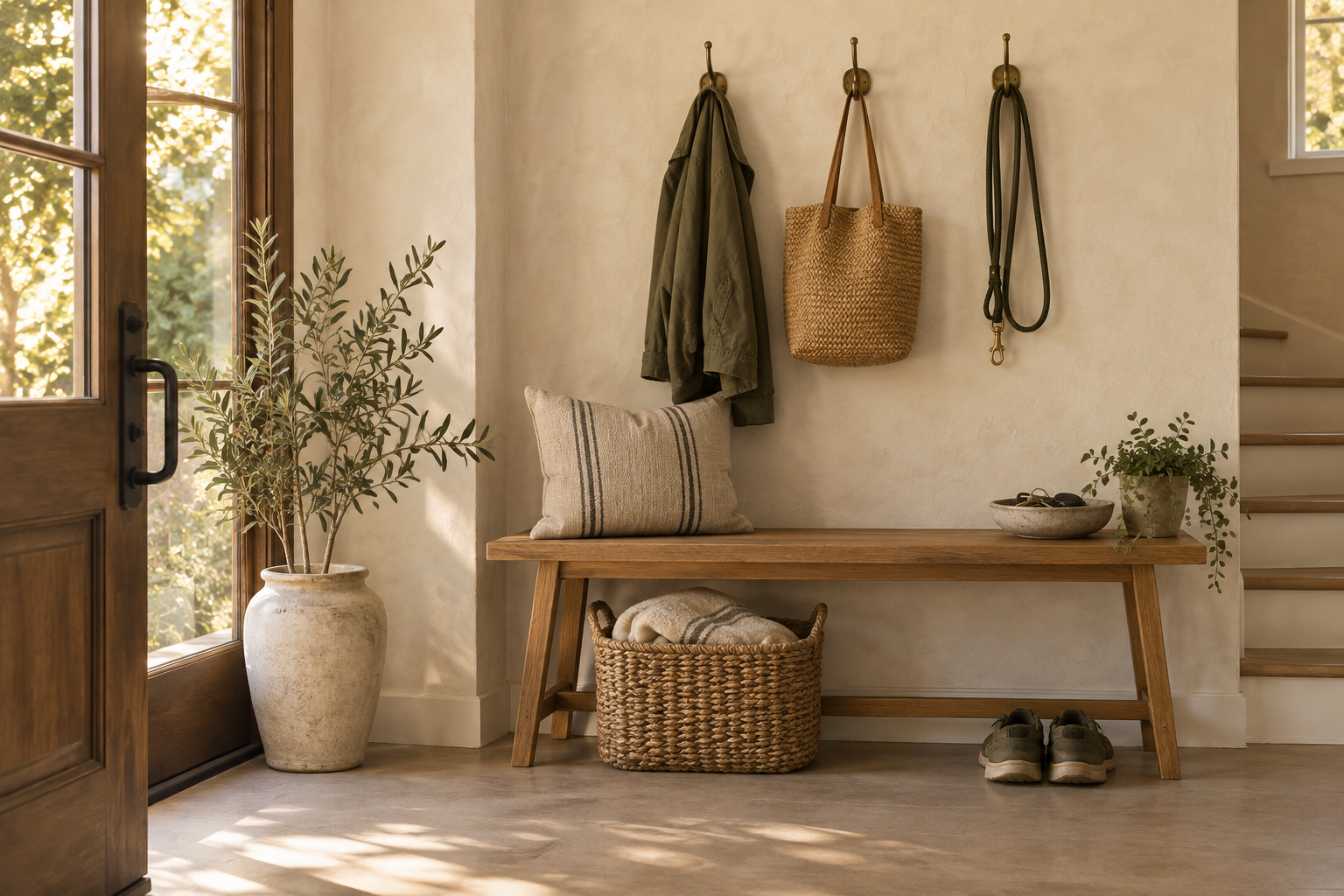
So, you moved in together and thought adding a dog would make the home feel complete.
Technically, you were right.
It also added walks, feeding times, vet appointments, muddy paws, spontaneous expenses, and a new household member who somehow has stronger opinions about your schedule than either of you.
And if you are both busy, the dog can very quickly become one more thing you have to coordinate.
Who is walking them tonight? Did anyone buy food? Who booked the vet? Who is home first? Can we stay out late? What happens if one of us travels?
None of this means getting a dog was a bad idea.
It just means that, like everything else in a shared home, life usually gets easier when a few things are decided before they become daily negotiations.
The goal is not to split every responsibility perfectly. It is to create a rhythm that feels fair, flexible, and realistic for the way you both actually live.
At The Rookie Homemaker, we think a beautiful home is not just about how it looks. It is also about how well it supports the life happening inside it.
1. Agree on the Basics Before You Need Them
The easiest time to talk about responsibilities is before one person realizes they have somehow become responsible for everything.
Start with the obvious things:
- feeding
- walks
- grooming
- vet appointments
- medication
- food and supply purchases
- training
- cleaning up after accidents
- arranging care when you travel
You do not need a spreadsheet. You just need a general understanding of who usually notices and handles what.
Why this helps
The mental load is often less about doing the task and more about remembering that the task exists.
Someone has to notice the food bag is almost empty. Someone has to remember the vaccination appointment. Someone has to realize the leash mysteriously disappeared.
Making those responsibilities visible can prevent one person from becoming the default manager without meaning to.
2. Divide Responsibilities by Rhythm, Not 50/50
Perfectly equal does not always mean practical.
If one person leaves for work at 6 a.m. and the other starts later, alternating morning walks every day may make absolutely no sense.
Instead, divide tasks around your existing routines.
Maybe one person naturally handles mornings. The other takes evenings. One books appointments. The other picks up food. One loves long weekend walks. The other handles the quick before-bed trip outside.
Think sustainable, not symmetrical
The best setup is the one you can actually maintain.
Some weeks one person will do more. Other weeks it will switch.
Fairness over time matters more than measuring every single task.
3. Make a Plan for the Days When Everything Goes Wrong
The ideal routine is easy. The real test is Tuesday when one person is stuck at work, the other has plans, it is raining, and the dog still needs dinner.
Have a backup plan.
Who can cover a walk? Can a friend or family member help occasionally? Do you have a trusted dog walker or sitter? What happens if one person is away for several days?
Decide before you are stressed
You do not need an elaborate emergency plan. Just knowing what option B looks like can prevent last-minute arguments.
Because “I thought you were doing it” is rarely the sentence anyone wants to hear at 9 p.m.
4. Fit Walks Into Your Real Life
It is easy to imagine the version of dog ownership where you both take long peaceful walks every morning and evening. Then actual schedules happen.
Build the walking routine around the life you genuinely have.
Look for natural anchors
Maybe the morning walk happens before the first coffee. Maybe one person walks the dog as soon as they get home. Maybe the longer walk becomes part of the weekend.
The more naturally a routine attaches to something you already do, the less it feels like one more obligation to remember.
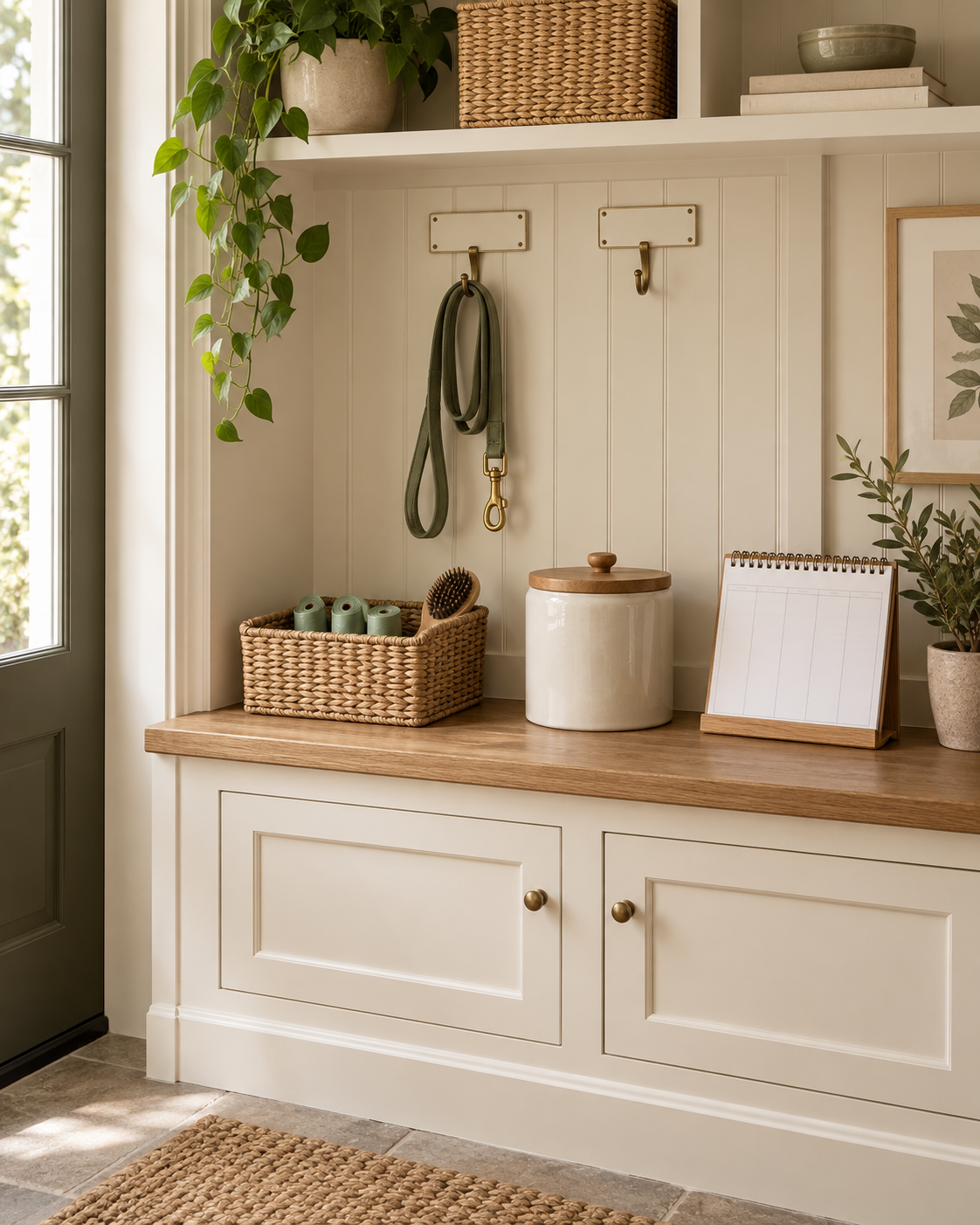
5. Keep One Shared Place for Pet Information
Nothing creates unnecessary chaos like two people assuming the other one knows something.
Keep important dog information somewhere both of you can access.
That might include:
- vet details
- appointment dates
- medication instructions
- food brand
- feeding information
- sitter contacts
- vaccination records
- travel requirements
- anything important about their routine
This can be a shared note on your phones. It does not need to become a pet-management headquarters.
The point is simply that essential information should not live only inside one person’s head.
6. Decide the House Rules Together
Is the dog allowed on the sofa? The bed? Inside the bedroom? At the table while you eat? Are there rooms that stay off-limits?
These seem like tiny decisions until one person says “of course the dog can sleep with us” and the other discovers this information at 11:30 p.m.
Consistency makes everything easier
You do not have to choose strict rules. You just have to choose the same rules.
If one person allows something and the other constantly tries to stop it, everyone ends up confused — including the dog.
7. Be Careful With the “Default Pet Parent”
This can happen very quietly.
One person feeds the dog because they noticed first. Then books the vet because they remember the date. Then orders the food. Then arranges the sitter.
Then suddenly they are responsible for nearly everything.
Check in occasionally
Not with a formal performance review. Just ask: Does this still feel balanced?
Maybe the current setup works perfectly. Maybe one person needs the other to take over a few things.
A five-minute conversation is much easier than waiting until someone is resentful.
8. Coordinate Supplies Before They Become Emergencies
There is nothing like discovering the food bag is empty at the exact moment the dog expects dinner.
Decide how supplies work. Maybe one person always buys food. Maybe whoever notices something running low adds it to a shared list. Maybe you keep one backup bag.
The same applies to:
- treats
- waste bags
- shampoo
- medications
- grooming supplies
- cleaning products
This is one of those tiny systems that you barely notice when it works — which is exactly the point.
9. Protect Time That Is Still Just Yours as a Couple
A dog becomes part of the family very quickly. That is one of the best parts.
But it can also mean that every plan suddenly includes another layer of logistics.
Can the dog come? Who is feeding them? What time do we need to be back? Who is walking them first?
Keep some couple time simple
Have the dinner out. Take the spontaneous afternoon. Watch the movie without discussing tomorrow’s dog schedule halfway through.
You can adore your pet and still protect time that is just about the two of you. Those things are not in conflict.
10. Talk About Money Before the Expensive Thing Happens
Food and toys are predictable. Emergency vet bills are less so.
It helps to decide early how pet expenses fit into your shared finances.
Will routine costs come from a joint account? Will you split them? Do you want a small emergency fund? What happens with larger unexpected expenses?
You do not have to make it complicated.
You just do not want the first conversation about pet money to happen in a veterinary waiting room.
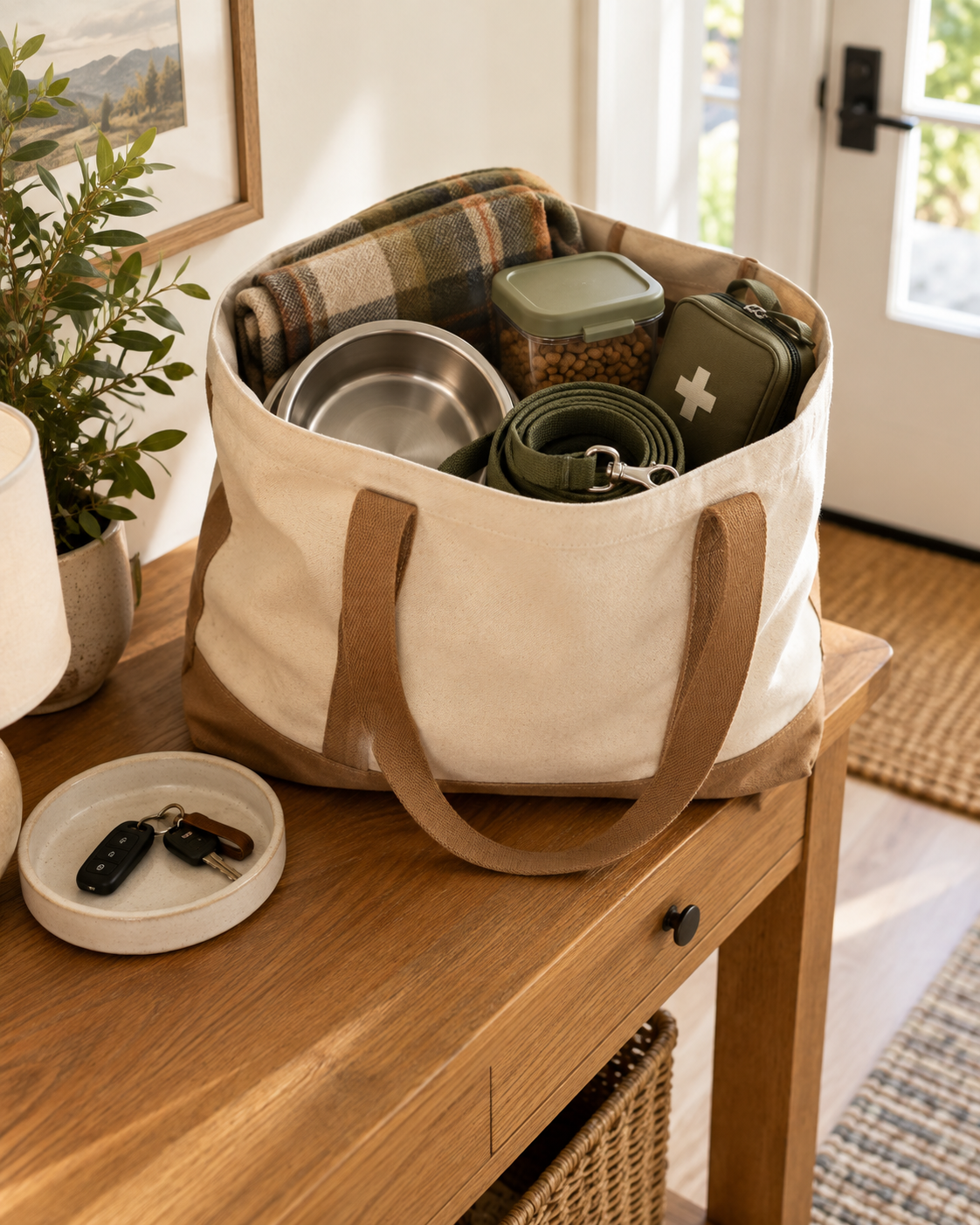
11. Have a Plan for Weekends and Travel
Dogs change the way spontaneous trips work. That does not mean spontaneity disappears. It just needs one extra step.
Know who you trust to help. Keep sitter details somewhere accessible. Know what your dog needs if they travel with you.
Have a basic packing list somewhere so you are not standing by the car asking: Did anyone bring the food?
Make the logistics repeatable
The first trip may feel complicated. By the fifth, you will probably have a rhythm.
That is usually how shared-home systems work. A little effort upfront saves a surprising amount of thinking later.
12. Let the Dog Become Part of the Rhythm — Not the Entire Rhythm
A dog will change your routines. Walks become part of the day. You may wake up earlier. You may come home sooner. You may plan weekends differently.
That is normal.
But your whole life does not need to revolve around getting every detail perfect.
Dogs usually become part of the household rhythm naturally over time.
The first few months may feel like constant coordination. Then one day you realize you no longer have to discuss every walk or feeding time. You just know what happens next.
You Do Not Need a Perfect System
Living together with a dog means adding one more personality, one more schedule, and approximately seventeen more things near the front door.
There will be days when the routine works perfectly. There will be days when someone forgets something. There will probably be at least one moment when both of you are convinced the other person already fed the dog.
The goal is not to run the household flawlessly.
It is to remove enough unnecessary decision-making that caring for your dog feels like part of your life together rather than another source of stress.
A few shared expectations. A little flexibility. A backup plan. And enough room for the unexpected.
Because the dog probably did make the home feel complete.
Even if they also stole half the sofa.
Create one visible responsibility map
| Task | Primary owner | Backup | Trigger |
|---|---|---|---|
| Food and routine supplies | Name one person | Name the other | Reorder point written on the container or shared list |
| Appointments and records | Name one person | Both can access details | Calendar reminder |
| Daily care | Divide by reliable time blocks | Agreed message when plans change | Morning/evening anchor |
| Travel care | Trip planner | Approved sitter contact | Booking deadline |
The purpose is not surveillance or mathematical equality. It makes the invisible remembering work visible and provides a backup when schedules change.
Use a weekly two-minute handoff
At the beginning of the week, compare late meetings, travel, social plans, appointments, and supply levels. Decide only the exceptions; do not renegotiate routines that are already working.
- Which day needs different care?
- Are food or medications running low?
- Is an appointment or payment due?
- Who is the backup if one person is delayed?
Separate household rules from professional guidance
Partners can decide furniture access, storage locations, and who performs a task. A veterinarian or qualified behavior professional should guide medical care, medication, nutrition, exercise limitations, and concerning behavior changes. Keep instructions in the shared record exactly as provided rather than relying on memory.
For urgent symptoms or possible ingestion, contact an appropriate veterinary professional promptly. A household system helps information travel between people; it does not replace professional care.
Build a realistic absence plan
Keep a short care sheet with feeding instructions, veterinary contact information, medication directions, walking or toileting routine, behavior notes, emergency contacts, and permission arrangements required by the chosen caregiver. Review it whenever the routine changes.
Test a new sitter or care arrangement before a major trip when practical. Confirm expectations, access, payment, communication, and what should happen if plans change.
For materials, storage, cleaning, and pet-safe home setup, see the pet-friendly home design guide. For shared routines beyond pet care, use the guide to making a home work for two people.
How this guide was developed: The framework separates task ownership, mental load, backup coverage, shared information, household boundaries, and professional animal care. It supports a fair conversation without assuming that every couple, schedule, or dog needs the same arrangement. Reviewed October 13, 2026.