
A Sunday reset should reduce friction—not turn the last day of the weekend into unpaid housekeeping. The most useful version is a short, repeatable routine that prepares the parts of your home you will actually need on Monday.
The goal is not a perfectly clean house. It is a workable baseline: essential clothes are ready, the kitchen can make breakfast, important items are easy to find, and the week ahead contains fewer surprises.
Choose your reset before you start
| Time available | Focus | Realistic result |
|---|---|---|
| 20 minutes | Kitchen, calendar, Monday essentials | The next morning works |
| 45 minutes | Add a whole-home pickup, bathroom, and priority laundry | The main rooms return to baseline |
| 90 minutes | Add groceries, sheets or towels, and one problem area | The household is prepared for several days |
Set a timer and choose the version that matches your energy. If you share the home, divide tasks by zone or outcome instead of asking one person to “help.” A clear assignment such as “reset the kitchen” is easier to complete than a vague request to tidy up.
1. Identify this week’s pressure points
Before touching a cleaning product, look at the next seven days. Check work schedules, appointments, school events, deliveries, exercise plans, birthdays, and any evening when everyone will arrive home late.
Then ask three questions:
- What must be ready by Monday morning?
- Which day is most likely to become chaotic?
- What can be prepared now in ten minutes or less?
This keeps the reset connected to real life. A week with visitors needs different preparation from a quiet week at home.
2. Do a fast whole-home collection pass
Carry a basket or reusable bag through the main rooms. Collect objects that belong somewhere else, but do not stop to reorganize drawers or open storage bins. Return the obvious items, straighten the sofa, clear walking paths, and gather dishes and laundry.
Use four simple destinations: kitchen, laundry, trash/recycling, and “belongs elsewhere.” If an object does not have a home, place it in one temporary decision basket. Limit that basket to one; otherwise the reset simply creates new hidden clutter.

3. Reset the kitchen to a usable baseline
The kitchen does not need to sparkle. It needs to function. Empty or load the dishwasher, clear the sink, wipe the main preparation area, and take out trash that will smell before the next collection.
Leave one clear section of counter for breakfast or packing lunches. If time is short, skip cabinet fronts, appliances, and detailed cleaning. Those are cleaning-project tasks, not weekly-reset essentials.

4. Wash only the laundry that protects the week
Do not automatically tackle every hamper. Choose the load with the highest consequence if it stays dirty: work or school clothes, uniforms, towels, underwear, gym gear, or bedding needed that night.
A load is not finished when the machine stops. Include drying, folding, and putting away in the time estimate. If there is not enough time to complete the full cycle, prepare and schedule the load instead of creating a damp pile for Monday.

5. Give the bathroom a five-minute functional reset
Replace used hand towels, wipe the sink and mirror, empty the bin if necessary, and restock toilet paper and daily toiletries. Check soap before focusing on decorative details.
This is a maintenance pass, not a substitute for regular bathroom cleaning. The distinction matters because an achievable five-minute task is easier to repeat than an open-ended instruction to “clean the bathroom.”

6. Build a launch pad at the entryway
Monday-morning problems often begin with missing keys, bags, shoes, or paperwork. Return those items to one visible departure zone. Charge devices nearby only if the location is safe and convenient.
For each person leaving the house, check: keys, wallet, bag, required papers, shoes, outerwear, and anything that must be returned. Pet households can add leads, waste bags, medication, and travel supplies.

7. Turn the calendar into a short action list
Looking at the calendar is useful only when it produces decisions. For each unusual commitment, identify the preparation it requires: transportation, payment, clothing, food, a document, a gift, or extra travel time.
Write no more than three Sunday actions. Everything else belongs on the appropriate day. The reset should expose problems early without asking you to solve the entire week at once.

8. Check food by meals, not by an idealized meal plan
Start with what needs to be used soon. Then identify a few dependable meals rather than planning every plate. A practical check might include:
- one fast breakfast option;
- two easy lunches or leftovers;
- two dinners using ingredients already available;
- one emergency meal for a late or tiring day;
- the household staples that would be annoying to run out of.
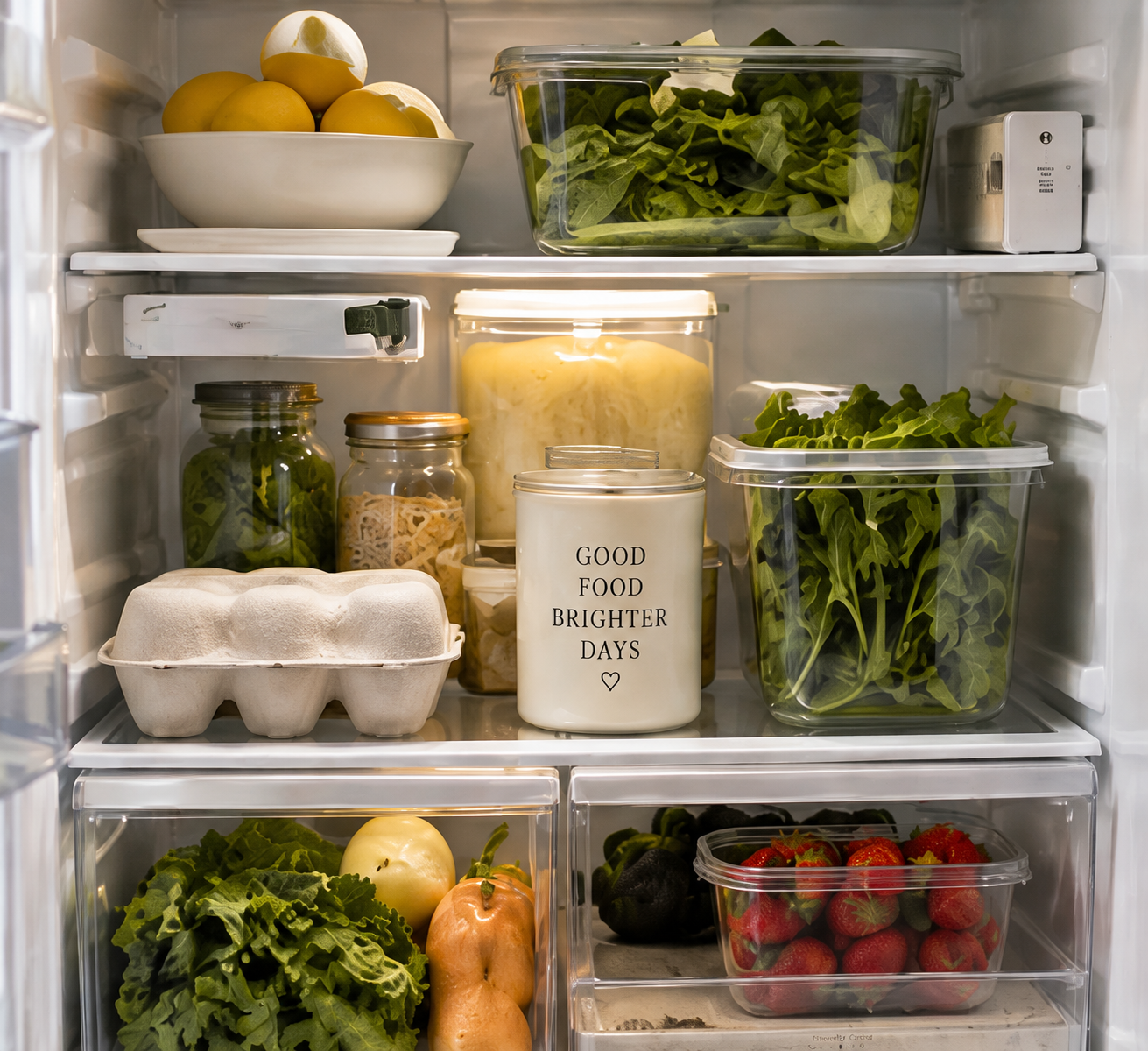
Make the grocery list while looking at the pantry, refrigerator, and freezer. This prevents buying duplicates based on memory.
9. Remove decisions from Monday morning
Lay out clothing only after checking the weather and schedule. Pack bags, place required papers by the door, charge essential devices, and decide what breakfast will be. If coffee or tea is part of the routine, set out what you can without compromising food safety.
The best preparation targets repeated points of delay. If mornings usually stall because someone cannot find clean socks, solve that—not an unrelated decorative project.

10. Close the reset deliberately
When the timer ends, complete the task already in your hands and stop. Write down anything genuinely urgent that remains. Do not let the routine expand into closet organization, deep cleaning, or a home-improvement project.
A small closing ritual can help mark the transition: dim overhead lights, turn on a lamp, fold one throw, prepare a drink, or sit in the cleared room for a few minutes. The point is to enjoy the baseline you created, not continue correcting it.

A printable-style Sunday reset checklist
- Review the next seven days.
- Choose a 20-, 45-, or 90-minute reset.
- Collect dishes, laundry, trash, and displaced items.
- Clear the sink and one kitchen work surface.
- Complete the week’s highest-priority laundry load.
- Restock the bathroom basics.
- Prepare the entryway launch pad.
- Check food and write a short grocery list.
- Pack and prepare Monday essentials.
- Stop when the timer ends.
Adapt the routine to your household
For one person: focus on the two or three tasks that remove the most friction. There is no need to perform every category.
For couples or housemates: agree on the definition of “reset” and assign complete zones. One person can handle food and the kitchen while another manages laundry and the entryway.
For families: give children visible, age-appropriate outcomes such as returning shoes, filling water bottles, or placing school bags at the launch pad. Keep adult expectations specific.
For low-energy weeks: use the minimum viable reset: clear the sink, check the calendar, prepare clothes and keys, and confirm there is something to eat Monday morning.
The routine should serve the week—not control Sunday
A successful reset is not measured by the number of chores completed. It is measured by whether the household can begin the week with fewer searches, fewer last-minute decisions, and a usable home.
Repeat the parts that consistently help. Remove the ones that do not. A modest routine tailored to your actual schedule offers more value than an impressive checklist you dread and abandon.
How this guide was developed: This routine was organized around realistic time limits, task priorities, and the different ways households share responsibilities. It is a flexible framework rather than a claim that every home needs the same Sunday routine. Adapt it to the needs and rhythm of your own home. Reviewed October 13, 2026.